
In oil and gas industry processes, pressure control is one of the most important parameters for safety and equipment preservation. It also greatly contributes to process quality. Therefore, we turn to relief valves.
History of Relief Valve in Iran
Like other industrial equipment, relief valves were usually imported in the past. However, currently, there are various manufacturers present in the oil vendor list.

Introduction
Relief valve or safety valve is one of the vital components in industrial systems, oil and gas, petrochemical, and even household equipment, whose function is to control and reduce excess pressure and prevent damage to equipment and systems. This article provides a comprehensive and thorough review of relief valves, their features, applications, and benefits.
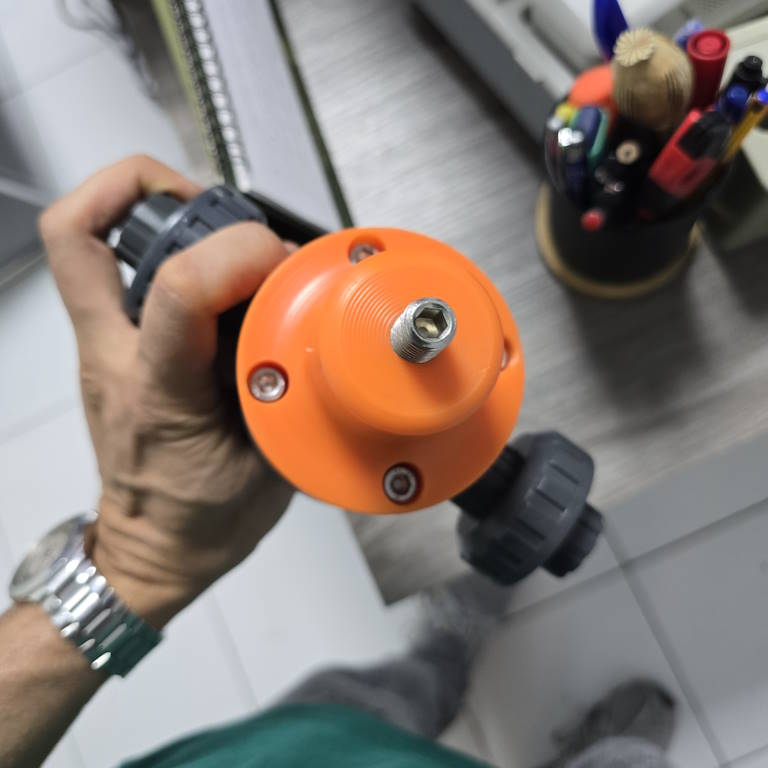 What is a relief valve?
Relief valve or safety valve is a safety device used to prevent excessive pressure increase in piping systems and tanks. These valves help maintain pressure at a safe level by releasing excess pressure and prevent potential hazards caused by pressure buildup.
Components of a relief valve
Body
The body of the relief valve is usually made from durable materials such as stainless steel, brass, carbon steel, or PVC.
Spring
The body must be able to withstand high pressure and prevent leaks.
Diaphragm
The spring is one of the key components of the relief valve that adjusts the operating pressure. Spring adjustment determines at what pressure the valve opens and excess pressure is released.
Pressure regulator
The pressure adjustment valve allows the user to set the working pressure of the relief valve. This part is of great importance because it determines at what pressure the valve opens.
Input and output connections
The inlet and outlet connections are used to connect the relief valve to the piping systems. These connections must be durable and of high quality to prevent leaks.
Relief valve operation
Relief valve is designed so that when the pressure in the system reaches a certain preset limit, the valve opens and excess pressure is vented. This process occurs automatically without user intervention. The operation of the relief valve is such that when the pressure reaches a certain limit, the spring is compressed and the diaphragm moves upward, allowing excess pressure to be discharged through the outlet. After the pressure drops to a safe level, the valve automatically closes and the normal operation of the system continues.
Types of relief valves
Spring relief valve
This type of relief valve uses a spring to regulate pressure. When the pressure in the system reaches a certain limit, the spring is compressed and the valve opens. This type of relief valve is suitable for industrial applications and high-pressure systems.
Piston relief valve
This type of relief valve uses a piston to regulate and control pressure. The piston adjusts the pressure through its movement, and when the pressure reaches a certain preset limit, the valve opens. This type of relief valve is suitable for precise and controlled applications.
Diaphragm relief valve
This type of relief valve uses a diaphragm to regulate and control pressure. The diaphragm adjusts the pressure with its movement, and when the pressure reaches a certain limit, the valve opens. This type of relief valve is suitable for chemical applications and corrosive environments.
Combination relief valve
This type of relief valve uses a combination of a spring and a diaphragm or piston to regulate and control pressure. This combination increases the accuracy and reliability of the valve.
Applications of relief valves
Oil and gas industries
In the oil and gas industries, relief valves are used to control and reduce pressure in pipelines and various equipment. These valves can perform well in harsh environmental conditions and high temperatures.
Chemical Industries
In the chemical industry, relief valves are used to control pressure and prevent explosion and leakage of chemicals. These valves are ideal due to their high resistance to various chemicals.
Petrochemical Industries
In the petrochemical industry, relief valves are used to control pressure in various systems and prevent pressure buildup and associated hazards. These valves help improve the efficiency and safety of the systems.
Power plants
Relief valves are used in power plants to control pressure in boilers and steam systems. These valves can withstand high pressures and varying temperatures, helping to maintain the safety and efficiency of the systems.
Water and sewage systems
In water and wastewater systems, relief valves are used to control pressure in pipelines and prevent damage to equipment. These valves help increase the lifespan and reduce maintenance costs of the systems.
Benefits of relief valve
High safety
Relief valves help maintain equipment and system safety by reducing excess pressure and preventing overpressure. This feature can minimize risks of explosions and leaks.
Easy installation and maintenance
Due to their simple and durable design, relief valves are easy to install and maintain. This feature can reduce installation and maintenance costs and increase the lifespan of the devices.
High accuracy
Relief valves are adjusted with high precision, which increases the efficiency and safety of the systems. This feature can help improve performance and reduce operational costs.
Resistance to corrosion and wear
Relief valves are made from corrosion- and wear-resistant materials, which makes them suitable for use in harsh environmental conditions.
Conclusion
Relief valve or safety valve is one of the vital components in industrial systems, oil and gas, petrochemical, and even household equipment, whose function is to control and reduce excess pressure and prevent damage to equipment and systems. Considering the features, applications, and advantages of relief valves, selecting and using these devices can help improve the efficiency and safety of systems and minimize the risks caused by pressure increases.
 .
.
You can also refer to this link for more information.